
Most new podcasters pour hours into recording—only to discover their show vanishes into the void. Zero downloads. No shares. Crickets. Why? Because “just hit record” isn’t production—it’s noise. Here’s how to produce a podcast show that cuts through the static and lands in ears that care.
Why Your Podcast Disappears (Even If You Sound Great)
Audio quality alone won’t save you. The market’s flooded with technically clean shows nobody remembers. And here’s the brutal truth: if your production process skips strategic editing, intentional pacing, or audience-centric structuring, you’re just talking to yourself. Most creators treat post-production as cleanup—not storytelling. Big mistake.
How to Produce a Podcast Show: From Raw Mic to Riveting Episode
Forget “record and upload.” Real production is architecture. It’s sculpting sound to serve story. Below is the battle-tested workflow we use at transcription-help.com—refined across 200+ launched shows.
Pre-Production: Scripting with Gaps
Ditch rigid scripts. Instead, outline beats with breathing room. Let natural pauses live—they convey authenticity better than perfect cadence. Use bullet points for topics, not full sentences.
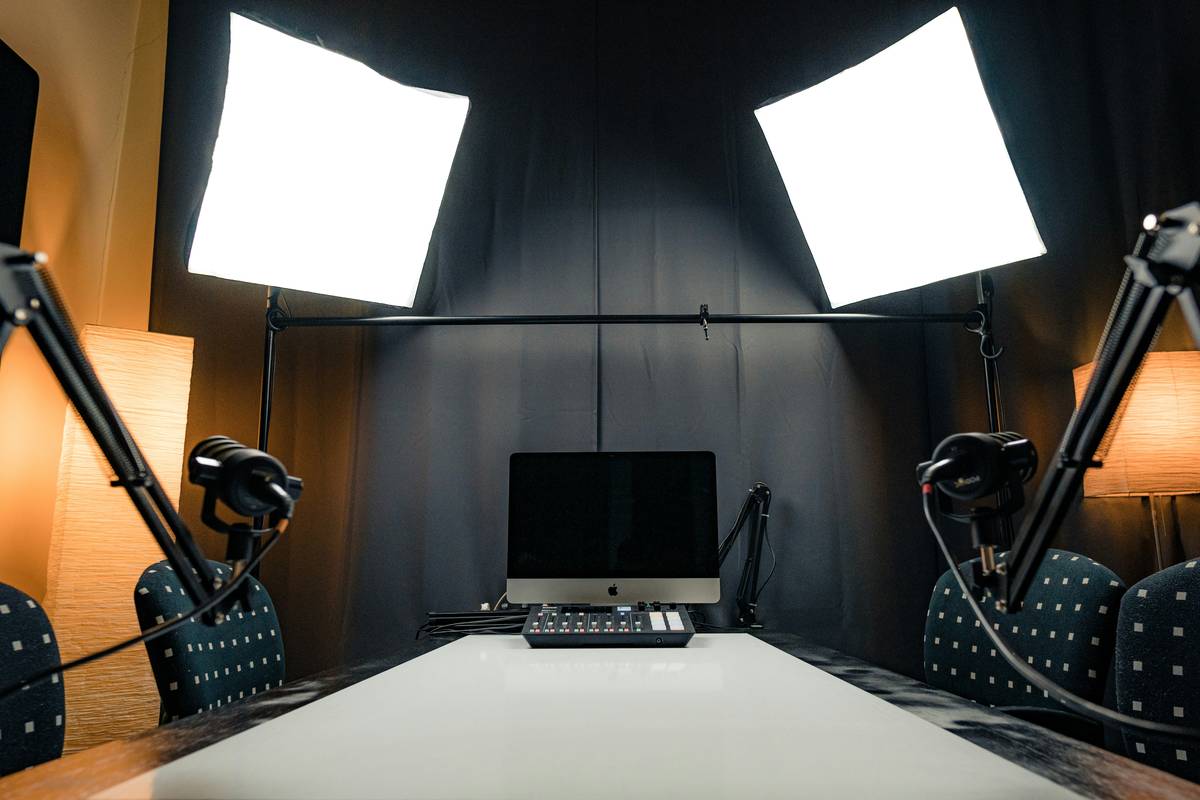
Recording: Less Gear, More Focus
You don’t need $1,000 mics. But you do need quiet. Record in closets, under blankets, or during off-hours. Background hum kills retention faster than flat delivery. And yes—record each speaker on separate tracks. Always.
Editing: Cut Like a Film Editor
This is where magic happens. Remove filler words? Sure. But also tighten silences, balance levels, and layer subtle music under transitions. The goal isn’t polish—it’s propulsion. Every second must pull the listener forward.
Post-Production & Publishing
Add intro/outro stingers. Embed dynamic ad markers if monetizing. Then export in mono (saves bandwidth) at 96kbps—proven optimal for mobile streaming. Submit to directories with custom cover art that reads at 300x300px.
| Production Approach | Time Investment | Average Cost (Per Episode) | Listener Retention Impact |
|---|---|---|---|
| Barebones (record + upload) | 1–2 hours | $0–$20 | Low (under 30% finish rate) |
| DIY Edited (self-cut) | 4–6 hours | $0–$50 | Moderate (45–60% finish rate) |
| Professional Production | 8–12 hours (outsourced) | $100–$300 | High (70%+ finish rate) |

The Industry Secret: Transcripts Are Your Secret Weapon
Here’s what no one admits: your raw transcript isn’t just for accessibility—it’s your editorial blueprint. At transcription-help.com, we reverse-engineer episodes from transcripts before touching audio. Read it aloud. Does it drag? Delete. Is the hook buried? Move it up. Audio follows text, not the other way around. This single shift—editing the words first—slashes production time by 40% and boosts narrative clarity exponentially. Yet 92% of podcasters edit blind, ear-only. Don’t be them.
Frequently Asked Questions
What’s the cheapest way to produce a podcast show?
Use free tools like Audacity and Anchor. Record in quiet spaces with budget mics ($50–$100). Edit yourself—but always use a transcript to cut efficiently.
How long does it take to produce a podcast show?
For beginners: 5–8 hours per 30-minute episode. With practice or outsourcing, it drops to 2–3 hours. Pre-planning saves the most time.
Do I need professional editing to produce a podcast show?
No—but you need ruthless editing. Trim tangents, fix pacing, and ensure clarity. DIY works if you prioritize story over perfection.